





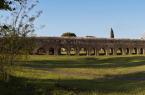









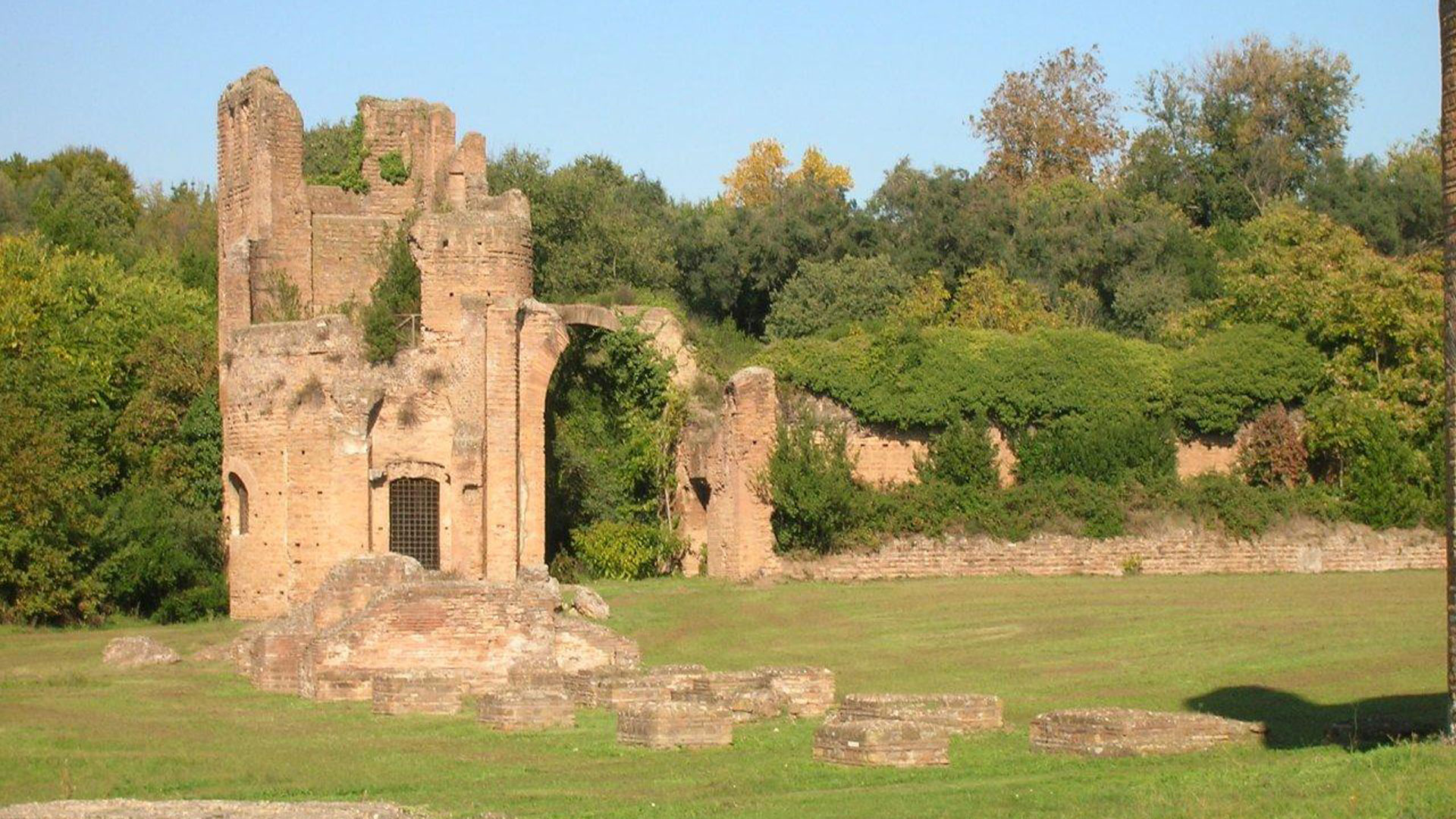
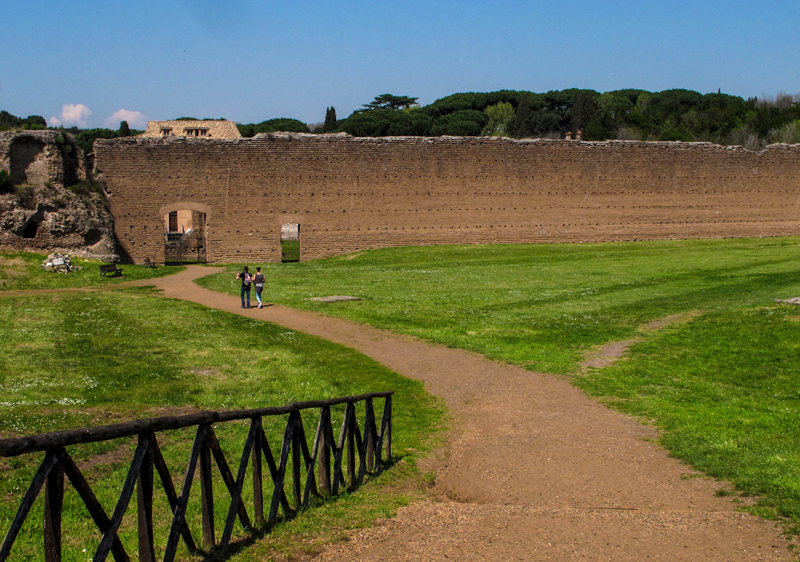
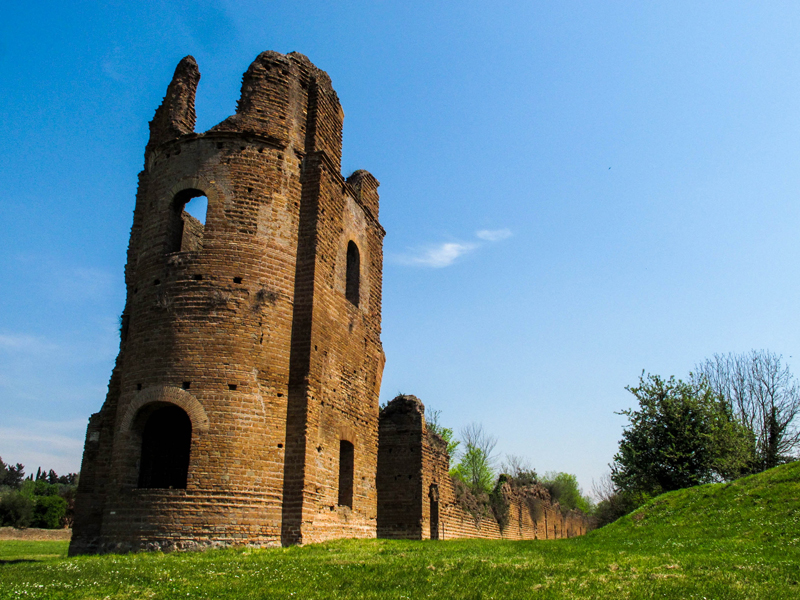
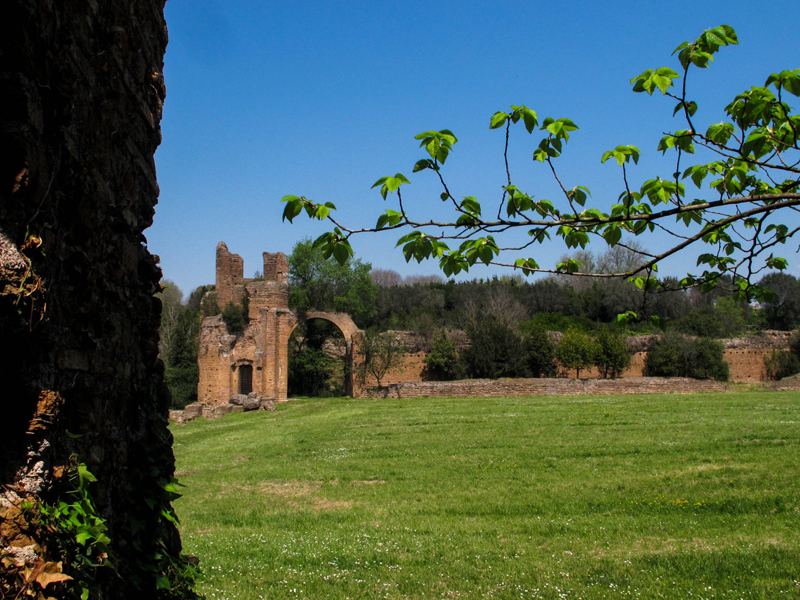
The Villa of Maxentius complex stretches between the second and third mile of the Via Appia Antica and is one of the most striking archaeological areas in the Roman countryside. The Villa was one of the great building works undertaken by Maxentius during his short reign (306-312), which ended with the disastrous defeat at the Milvian Bridge that brought Constantine to the head of the Empire.
Three main buildings (the palace, the circus and the dynastic mausoleum) made up the imperial residence that was designed as a single architectural unit with the aim of celebrating the figure of the emperor. However, previous structures were at least partly reused: a rustic republican villa had already been built in this area in the 2nd century B.C., later incorporated in the 2nd century A.D. into the grandiose estate of Herodes Atticus, an Athenian-born politician who had married the rich and noble Annia Regilla.
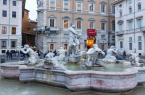
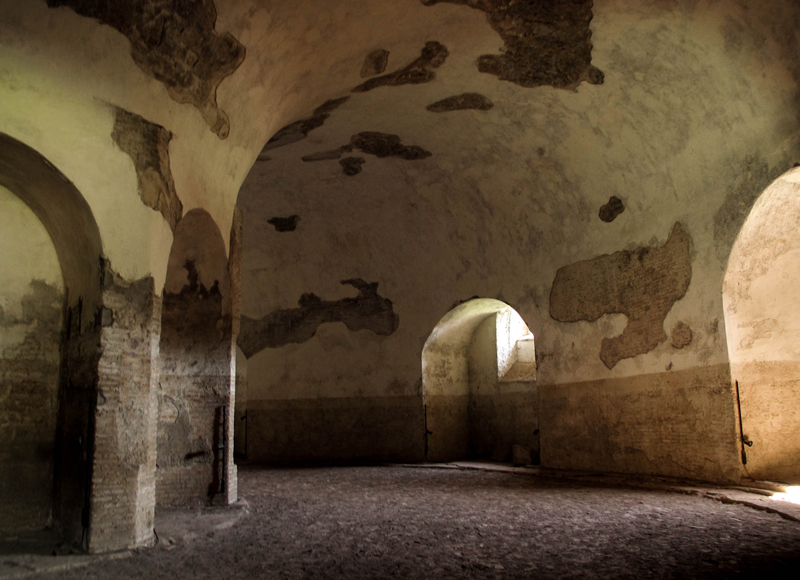
The most famous monument in the entire complex is the circus, the only Roman circus still well preserved in all its architectural components. It could seat over 10,000 spectators and had at its center the Domitian’s Obelisk, which centuries later would be reused by Gian Lorenzo Bernini in the Fountain of Rivers. The core of the entire complex, however, was the dynastic mausoleum, better known as the Tomb of Romulus from the name of the very young son of Maxentius who was almost certainly buried here. The grandiose building, probably two storeys high, must have had the appearance of a small Pantheon and was surrounded by an imposing quadriporticus that put it in communication with the palace built on the hill behind.
All that remains of its original construction is the circular basement and the crypt, with a large central pillar and an annular corridor with niches for the deposition of sarcophagi. From the annular corridor it is possible to enter a large quadrangular vestibule, which was probably used to reach the upper floor.
In the 19th century, the entire complex was acquired by the Torlonia family, Dukes of Bracciano. In 1825, Prince Giovanni Torlonia, with the help of the archaeologist Antonio Nibby, began excavation campaigns in the area, transferring the numerous works of art found here to the Torlonia private collection of the Borgo palace and transforming the estate into a farm, a destination that lasted until the Italian state expropriation in 1943.
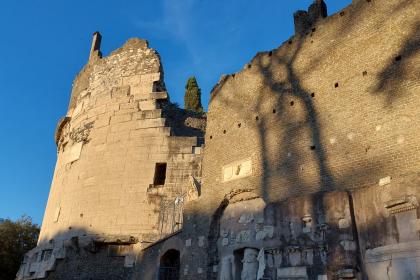
The Mausoleum of Caecilia Metella
 Condividi
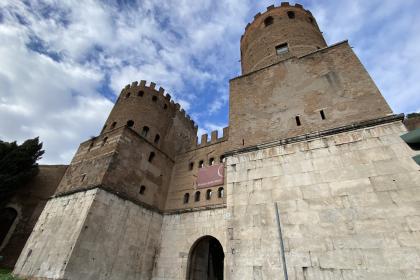
Museo delle Mura
 Condividi
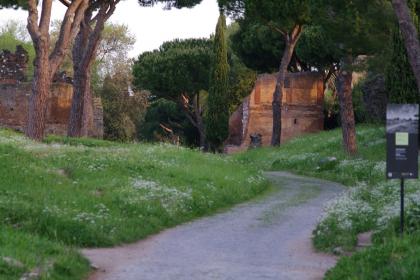
The Appian Way
 Condividi
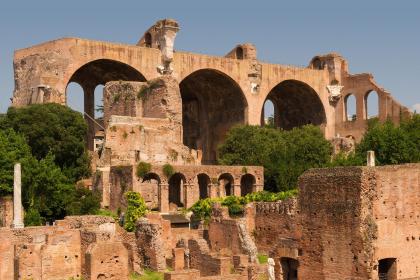
Basilica of Maxentius
 Condividi
Information
Opening hours June to September
Tuesday - Friday: 10.00 - 16.00
Last admission an hour before closing time
Every Saturday and first Sunday of the month: 10.00 - 22.00
Last admission half an hour before closing time
Sundays 14, 21 and 28 July / 11, 18 and 25 August / 8, 15, 22 and 29 September 2024: 10.00 - 19.00
Last admission an hour before closing time
Opening hours October to May
Tuesday - Sunday 10.00 - 16.00
24 and 31 December 10.00 - 14.00
Last admission an hour before closing time
Closing days
Mondays, 1 January, 1 May and 25 December
For updates and guidelines please check the >official website
CONSULT THE NOTICES PAGE before planning your visit in the museum
The museum is accessible for disabled people


 Condividi
Location
To find out about all accessibility services, visit the Rome accessible section.