The Flavian Amphitheatre (The Colosseum)
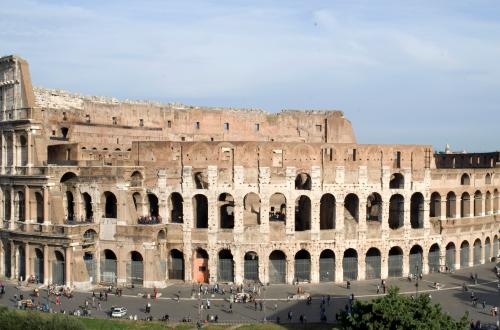
The Flavian Amphitheatre (The Colosseum)
Monuments
 Condividi




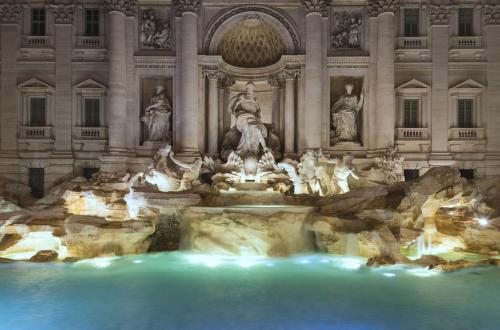
The most famous of the Roman fountains: a jewel of water and stone
According to legend, the history of Rome begins right here

An unmissable opportunity to plan your own future in the field of Fashion
Rome is a perfect destination for tourism and in particular for school trips

The inestimable artistic heritage of Rome is the preferred destination for the many students who decide to benefit from the many cultural opportunities that the city offers
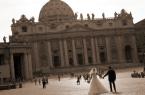
Rome is the perfect choice for a romantic and refined wedding, enriched by a millenary history

Tradition, sartorial mastery, and innovative technologies in a unique setting

Glamour, myth and beauty: a city where even fashion is a legend
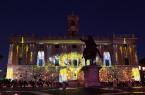
Beauty and art, magnificent spectators of a thousand-year history
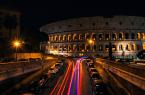
The endless opportunities for fun in Rome

Rome is the ideal destination for Tourism Business

Presentati al Convention Center La Nuvola i risultati di FUTOUROMA

How and where to see live sporting events

How and where to train body and mind in the second greenest capital of Europe
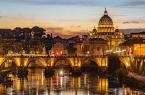
History, fascinating facts, and useful information to fully experience the magic of the Eternal City


Seven unusual itineraries to discover the city from new perspectives
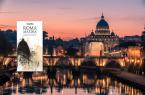
Stories, places, and secrets – a guidebook to an eternal city.

A puzzle of voices and experiences: bloggers explain Rome
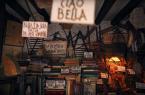
The collective novel that gives voice to the stories of people and places of an unknown Rome
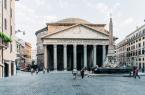
Wealth, splendor and magnificence immersed in the magic of history
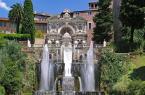
Discover the amazing city and its magnificent villas




An itinerary between millenary architectures and daring contemporary visions
Rome, the ideal setting for cinema masterpieces and great melodies
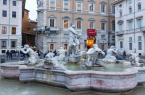
A trip inside the museums between Piazza Navona and its surroundings

An exciting itinerary for visitors with only a short time to discover the city’s main attractions

Three intense days to experience the unmissable attractions of Rome
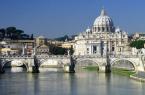
A perfect five day itinerary for an unforgettable Roman holiday

Indoor & outdoor activities and attractions

Discovering precious collections from prehistory to contemporary art

Rome's cuisine: intense and genuine flavors and a strong identity

The marine soul of Rome
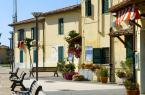
Flavours and ancient traditions in a place where time seems to have stopped
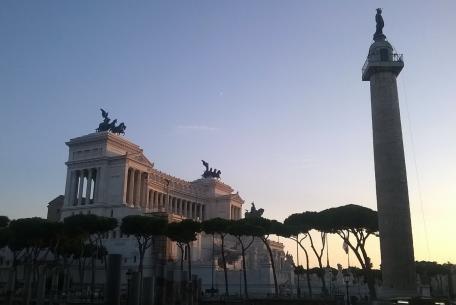
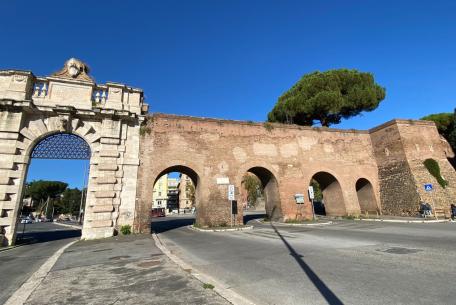
The Aurelian Walls still surround the historic centre of Rome and are among the longest and best preserved ancient walls in the world.
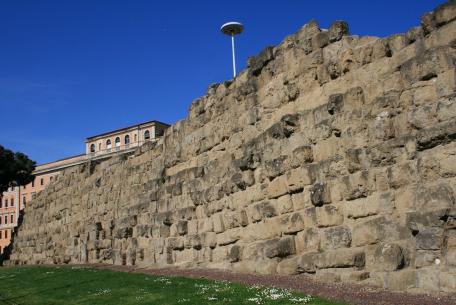
Built in all probability during the mid-sixth century BC, the Servian Walls take their name from the sixth king of Rome, Servius Tullius.

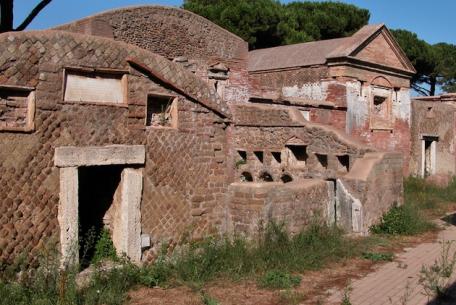
The Necropolis develops along the two sides of via Laurentina and a road connecting Ostia to the Pianabella area; later the tombs also occupied th
[...]
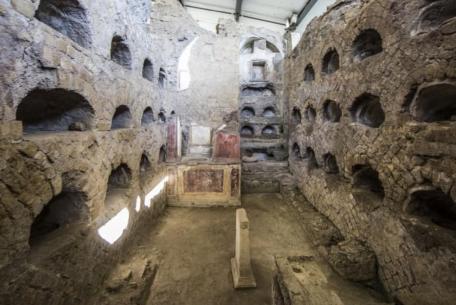
The necropolis, identified and excavated in the 1920s and 1930s, stands on the sides of via Flavia, which connected Porto (Portus) with Os
[...]
Between the Rupe di San Paolo and the bend of the Tiber was a vast burial groun
[...]
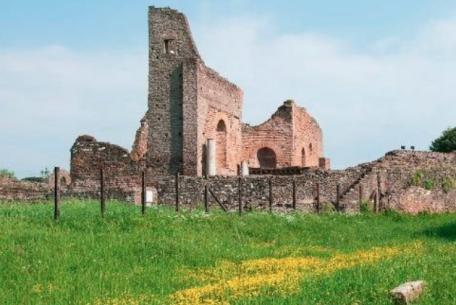
The monumental two-storey nymphaeum overlooking Via Appia Antica, was the real entrance to the Quintili villa : from here, in fact, through a door
[...]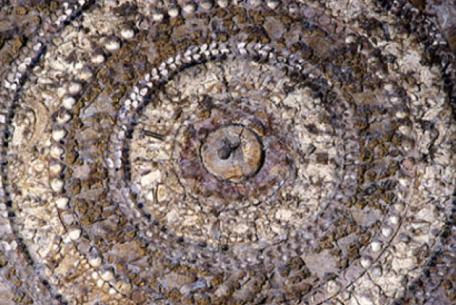
A nymphaeum (monumental fountain) dated back to the end of the first century BC and the beginning of the first century AD was discovered in 1895 during the works for the realization of Via degli An
[...]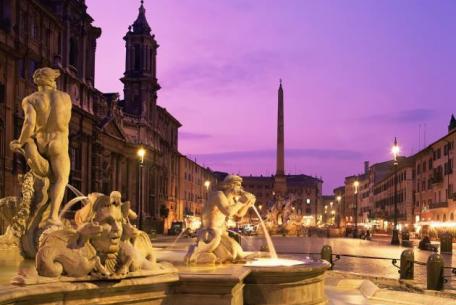
This obelisk, brought from the Aswan excavation sites without inscriptions by order of Domitian, was decorated in Rome with original inscriptions written in hieroglyphics
[...]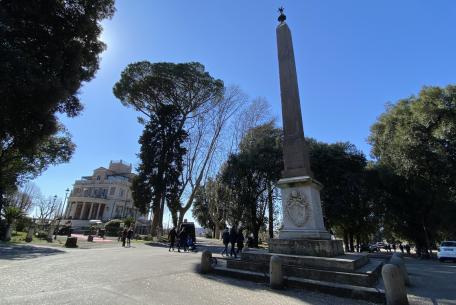
A few steps away from the terrace of the Pincio, one of the most evocative
[...]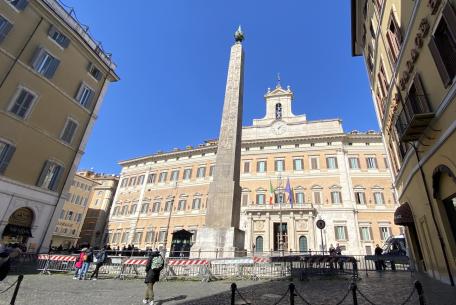

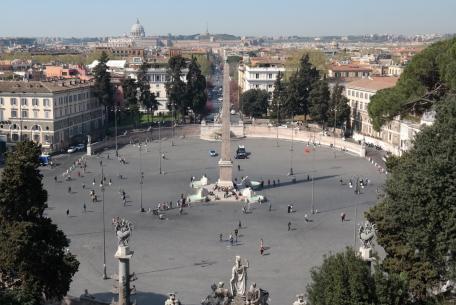
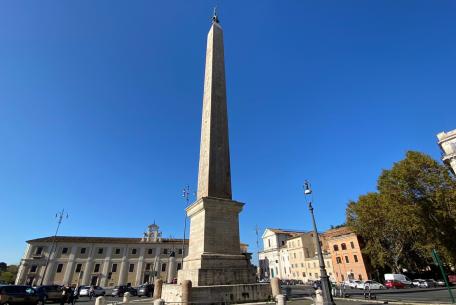
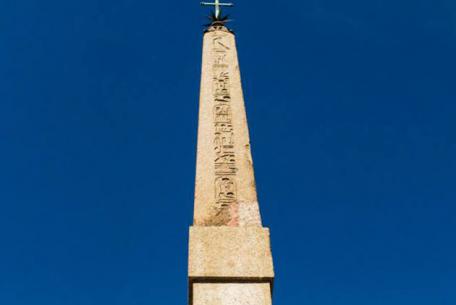
Together with the one visible today in the Villa Celimontana, it was originally erected in Heliopolis by Ramses II.
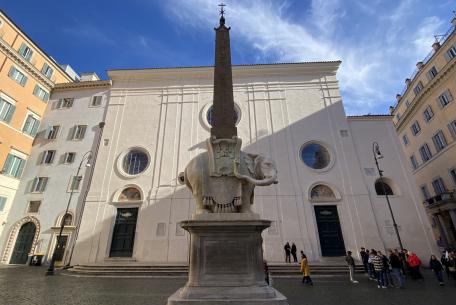
This small obelisk is made of red granite and is about 5 and a half meters high. The sides of the obelisk are decorated with a single column of inscriptions.
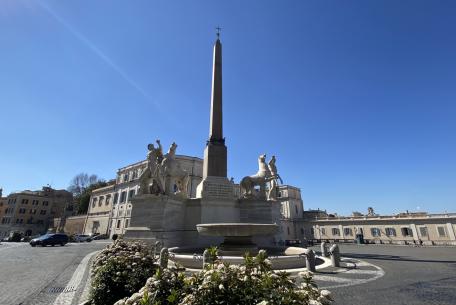
Similar to the Esquiline Obelisk - made of granite, about 15 metres high and without inscription
[...]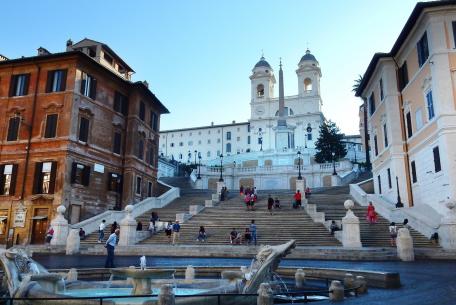
Located in front of the church of the Santissima Trinità dei Monti, right
[...]

The elegant Renaissance building is located near Campo de’ Fiori and has been hosting, since 194
[...]
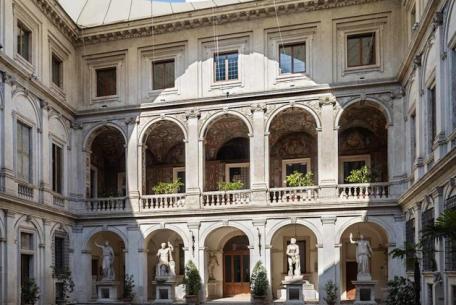
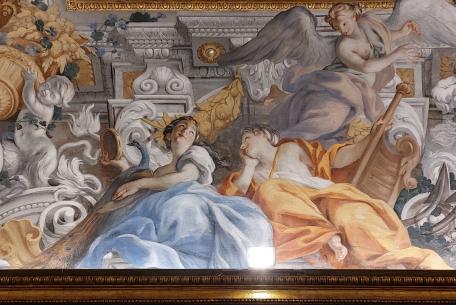
Altemps Palace is located near Piazza Navona and is one of the seats of the
[...]
In the heart of Rome's historical centre, in the Rione Pigna, stands this magnificent example
[...]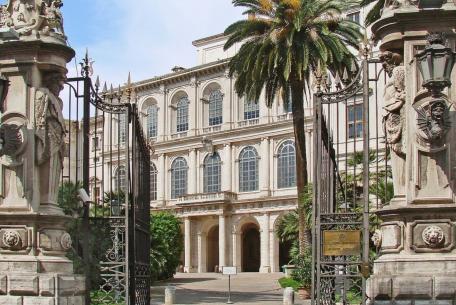
Today seat of the National Gallery of Ancient Art together with Palazzo Corsini, Palazzo Barberini is the
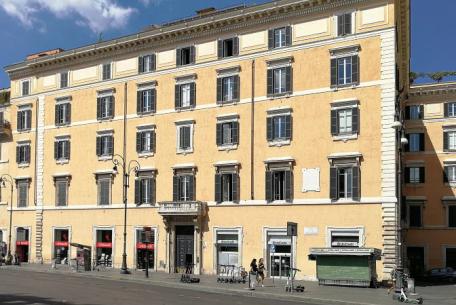
Overlooking the current Largo di Torre Argentina, the palace was built in stages on the remains of the Agrippa Baths, in an area of particular historical and monumental importanc
[...]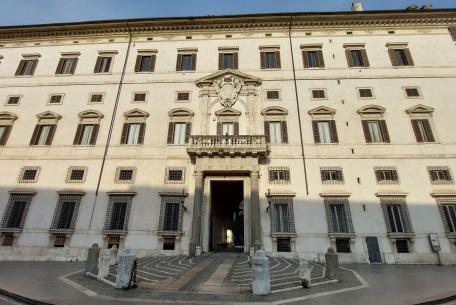
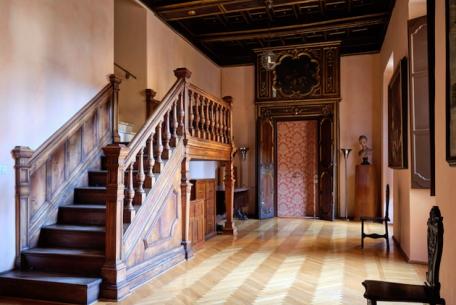
Its principal façade is on Largo della Fontanella di Borghese, but the building occupies a large and irregular block between Via di Ripetta, Via dell’Arancio, Via di Monte d’Oro, V
[...]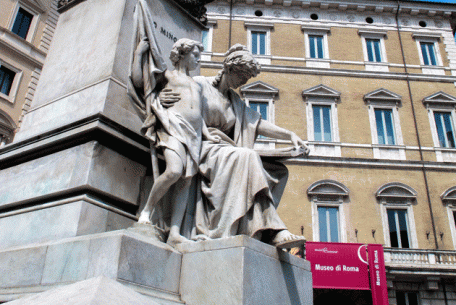
Palazzo Braschi is located in the city centre, between Piazza Navona and
[...]
The building is located in via delle Botteghe Oscure, near Piazza Venezia.
Condividi
 Condividi
 Condividi
 Condividi
 Condividi
 Condividi
 Condividi