Anfiteatro Flavio (El Coliseo)
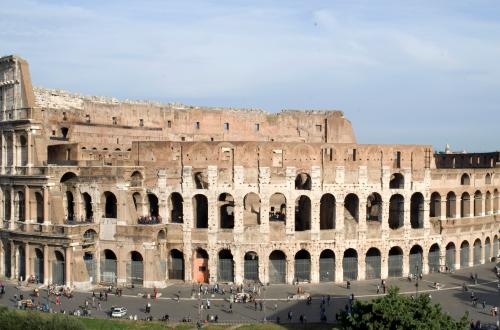
Anfiteatro Flavio (El Coliseo)
Monumentos
 Condividi




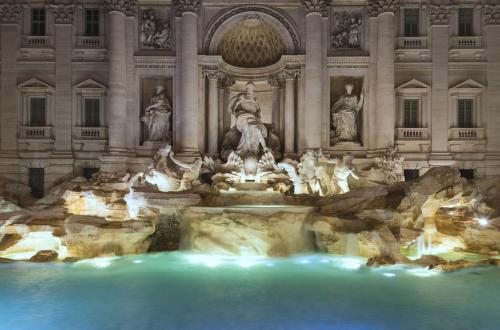
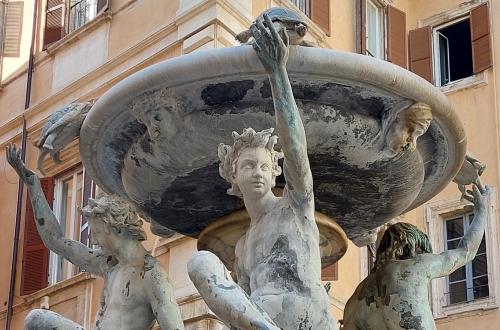
La más famosa de las fuentes romanas: una joya de agua y piedra
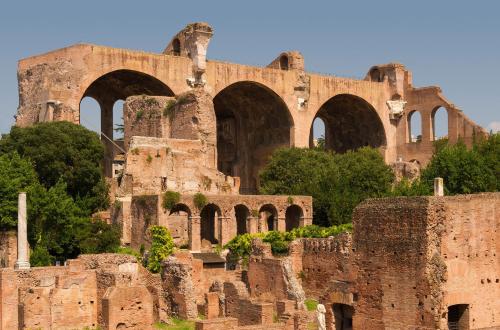
Según la leyenda, la historia de Roma comienza aquí

An unmissable opportunity to plan your own future in the field of Fashion
Rome is a perfect destination for tourism and in particular for school trips
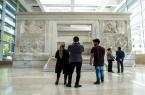
The inestimable artistic heritage of Rome is the preferred destination for the many students who decide to benefit from the many cultural opportunities that the city offers
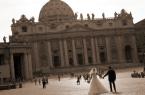
Rome is the perfect choice for a romantic and refined wedding, enriched by a millenary history

Tradition, sartorial mastery, and innovative technologies in a unique setting
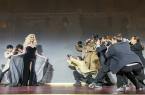
Glamour, myth and beauty: a city where even fashion is a legend
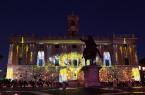
Beauty and art, magnificent spectators of a thousand-year history
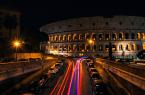
The endless opportunities for fun in Rome
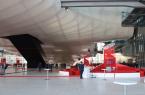
Rome is the ideal destination for Tourism Business

Presentati al Convention Center La Nuvola i risultati di FUTOUROMA
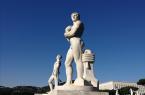
How and where to see live sporting events

Come e dove allenare corpo e mente nella seconda capitale più verde d'Europa
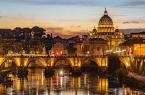
History, fascinating facts, and useful information to fully experience the magic of the Eternal City
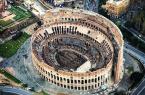
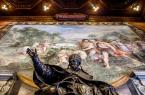
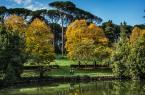
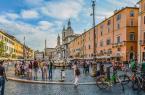
Seven unusual itineraries to discover the city from new perspectives
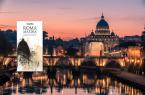
Stories, places, and secrets – a guidebook to an eternal city.

A puzzle of voices and experiences: bloggers explain Rome
Il romanzo collettivo che dà voce alle storie di persone e luoghi di una Roma inedita
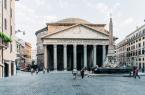
Riqueza, esplendor y magnificencia inmersos en la magia de la historia
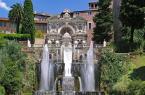
Descubre Tivoli y sus maravillosas villas


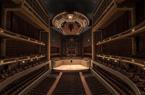

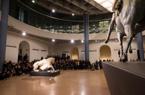

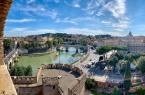
An itinerary between millenary architectures and daring contemporary visions
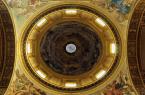
Roma, la escenografía ideal de obras maestras del cine y de grandes melodías
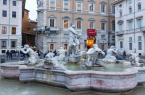
Un viaje dentro de los museos de Piazza Navona y sus alrededores

Un itinerario para conocer las atracciones imperdibles de Roma en poco tiempo

Tres días intensos para disfrutar las attracciones imperdibles de Roma
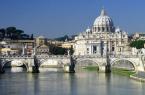
A perfect five day itinerary for an unforgettable Roman holiday

Indoor & outdoor activities and attractions

Descubre valiosas colecciones desde la prehistoria hasta el arte contemporáneo

La cocina de Roma: sabores intensos y genuinos y una fuerte identidad

El alma marinera de Roma
Sabores y tradiciones milenarias en un lugar donde el tiempo parece haberse detenido
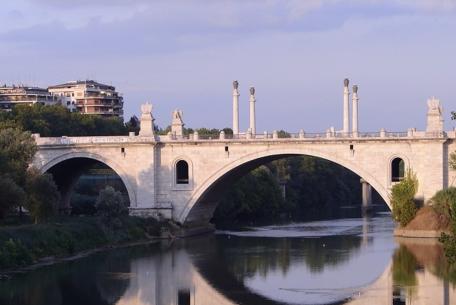
La necesidad de responder a las crecientes necesidades del tráfico procedente del norte, a lo largo de las consulares vía Cassia y vía Flaminia, como consecuencia del aumento del número de automóvi
[...]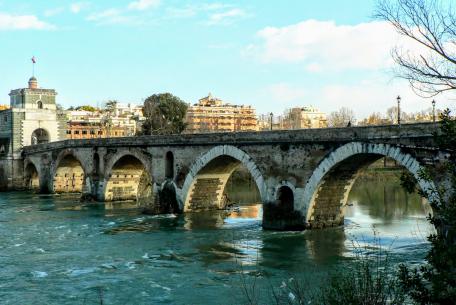
El Ponte Milvio es uno de los puentes más antiguos y famosos de Roma, que se encuentra en el cuadrante norte de la ciudad, en una zona rodeada de locales y restaurantes de moda de
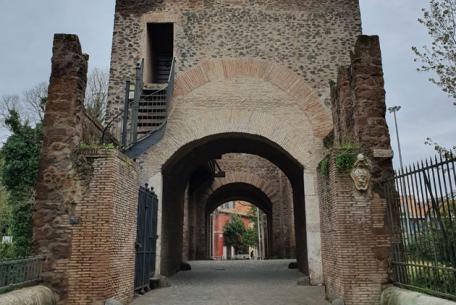
[...]
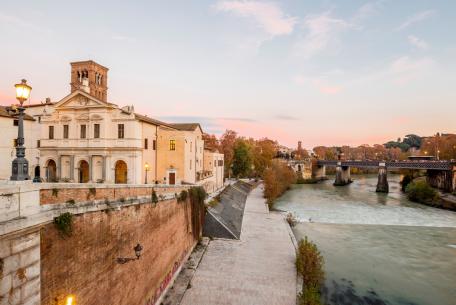
The Bridge was erected at the point where the via Nomentana crossed the Aniene river at the foot of the Monte Sacro hill, a place
[...]
The need to erect this bridge was highlighted in the second half of the 19th century, to serve the area which, on alternate occasions, had been served by Ponte Emilio or Po
[...]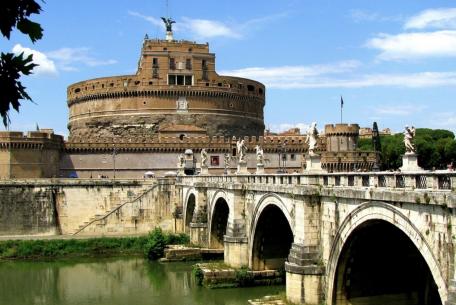
Originalmente Puente Sant'Angel era llamado Puente Elio, del nombre del emperador Elio Adriano que lo quiso construir en el 136 d.C.
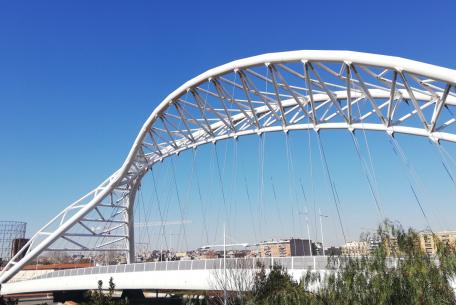
A minimalist and contemporary design and a reticular structure recalling the nearby Gazo
[...]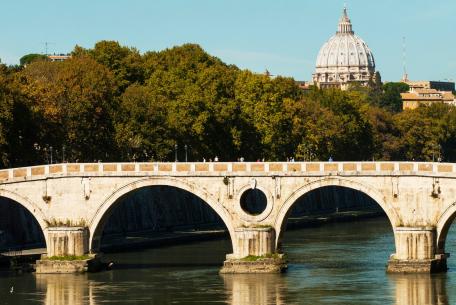
Una conexión directa al barrio de Trastevere, con un panorama de postal en la que se distingue la Cúpula de S.
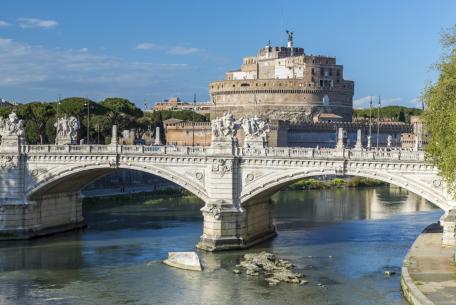
Located immediately downstream from Sant’Angelo Bridge, Ponte Vittorio Emanuele II connects Cors
[...]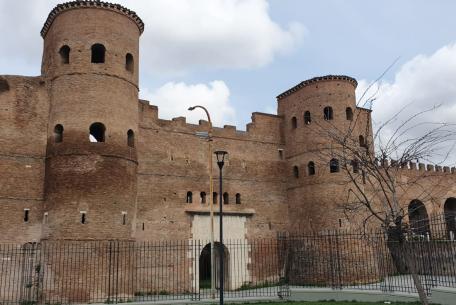
Located close by Porta San Giovanni, it was initially a small door with a single archway between two quadrangular towers.

Entre las obras arquitectónicas más prestigiosas del Imperio Romano, destaca la Porta Maggiore o Porta Prenestina, erigida en el año 52 d.C.
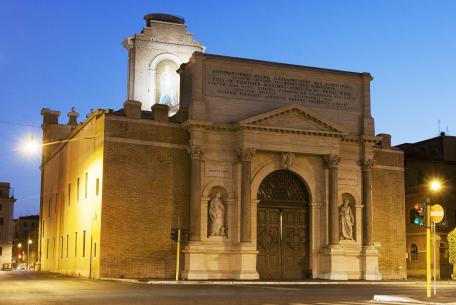
“Antiguamente esa puerta se llamaba Nomentana, después se llamó Santa Inés por el nombre de la iglesia que está cerca, pero ahora la llamamos Puerta Pía, porque fue adornada por Pio IV con el p
[...]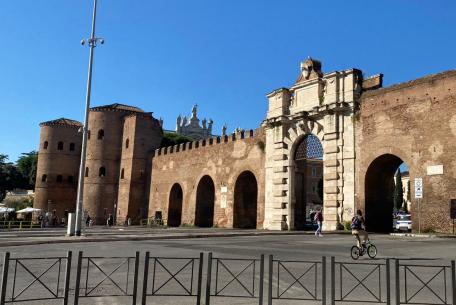
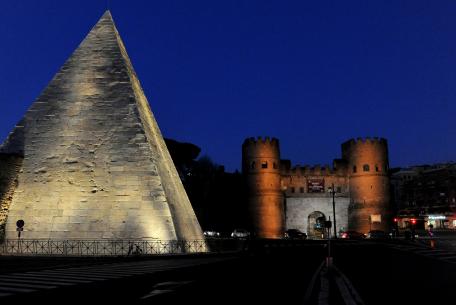
Construida por el Papa Gregorio XIII e inaugurada en 1574, la puerta de San Giovanni es una de las puertas de las Murallas
[...]
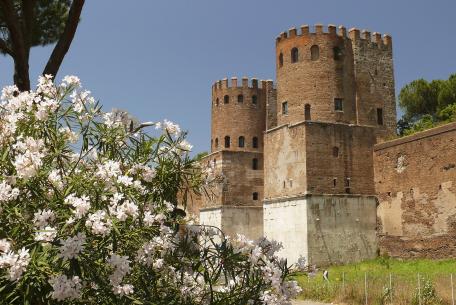
Famoso pasaje con dos arcos en las Murallas Aurelianas, construido en el siglo III a.C desde el cual partían la
[...]
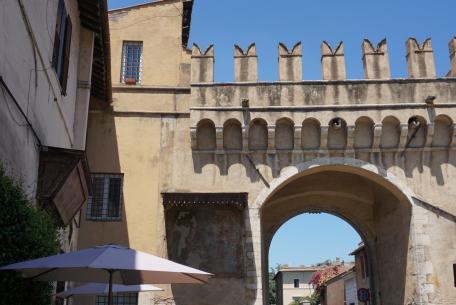
El nombre original era Porta Appia porque estaba atravesada por la calle homónima La Puerta San Sebastiano es la puerta abierta más grande de las
[...]
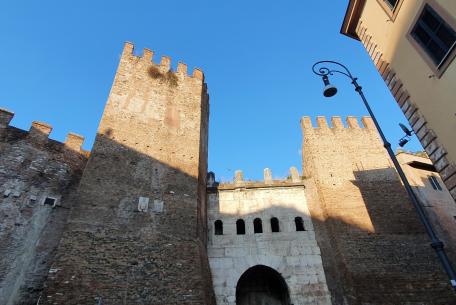
La Puerta Septimiana se abre a lo largo de la Muralla Aureliana, por la orilla derecha del río Tiber y es la unica entre las tres originales que queda en el mismo lugar donde fue c
[...]
Porta Tiburtina or Porta San Lorenzo is a gateway in the Aurelian Walls of Rome, through which the Via Tiburtina exi
[...]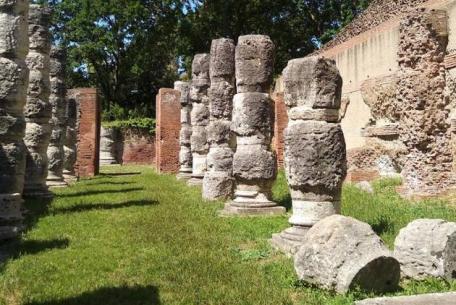
The ruins of the city of Portus (the “port” of Rome par excellence) stand at about three kilometres from the present day coastline: the motorway network, the Fiumicino airport infrastructures, and
[...]
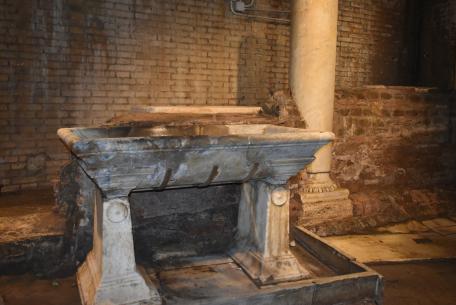
La llamada Casa Romana, situada entre los sótanos del pequeño aunque precioso M
[...]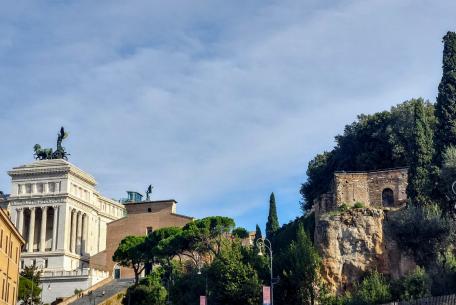
A halo of mystery cloaks one of the most legendary places in Rome, the Tarpeian Rock - from the Latin Rupes Tarpeia or Saxum Tarpeium - the rocky
[...]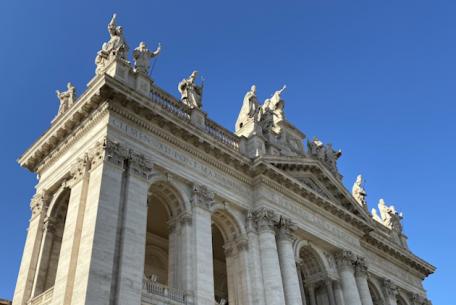
Visit the archaeological area below the Basilica di San Giovanni in Laterano, where the r
[...]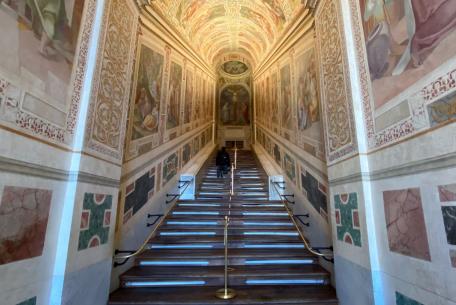
En las cercanías de la Basílica de San Juan de Letrán, este Santuario hos
[...]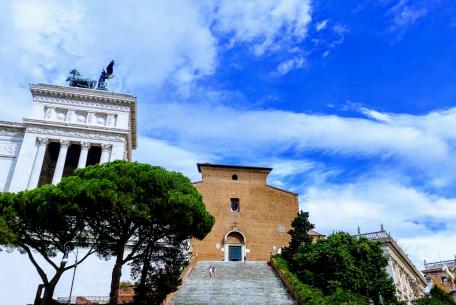
La escalera de la iglesia de Santa Maria d’Aracoeli fue construida en el año 1348 por voluntad popular como agradecimiento por el final de una epidemia. Cola di Rienzo, según la tradición popular
[...]
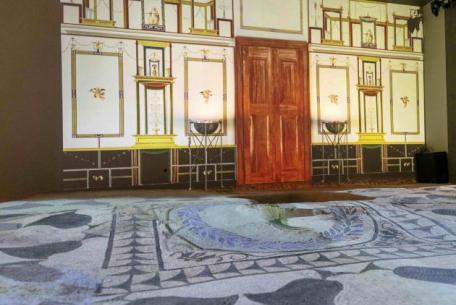
A new archaeological area inside a private residential lot that is, however, regularly open to visitors: the “archaeological box” of the Domus Aventino is an innovative and virtuous project by the
[...]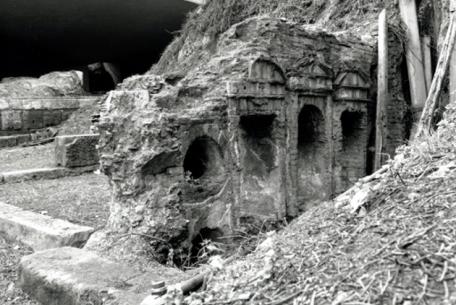
The burial ground is located on the right side of the Via Appia Antica, below the current via Marco P
[...]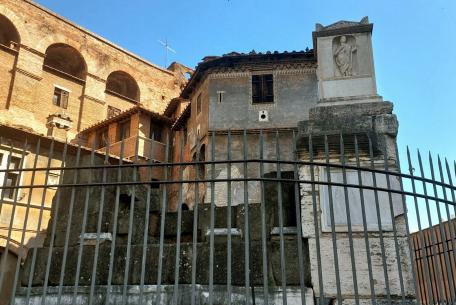
Part of a vast suburban necropolis that stretched along the first section of the Via Salaria Nova and the Via Salaria Vetus, the so-called “Sepolcreto Salario” burial ground can be
[...]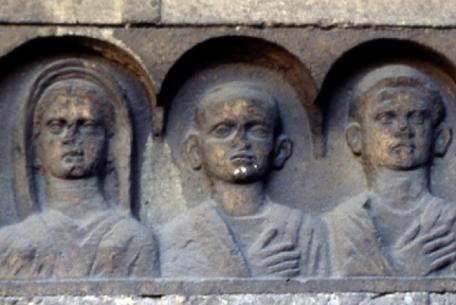
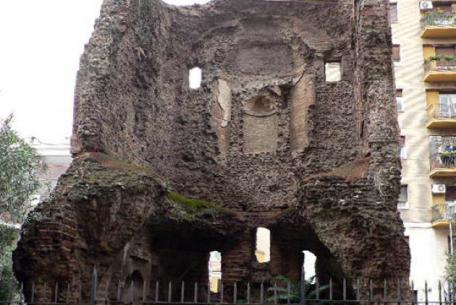
A short distance from Porta Maggiore, along the route of Via Statilia, which owes its name to the powerful Roman "gens" who had many possessions in this area and which takes up the
[...] Condividi
 Condividi
 Condividi
 Condividi
 Condividi
 Condividi
 Condividi