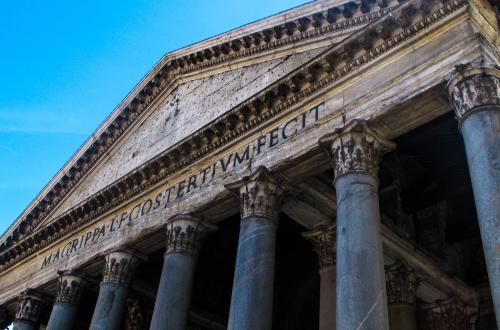
L’Amphithéâtre Flavio (Colisée)
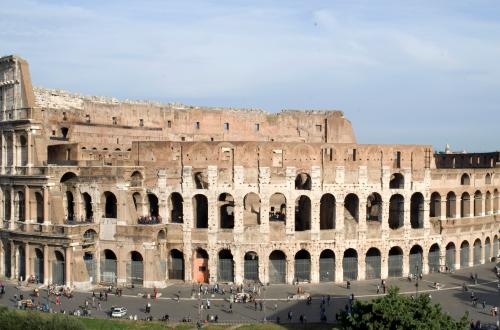
L’Amphithéâtre Flavio (Colisée)
Monuments
 Condividi




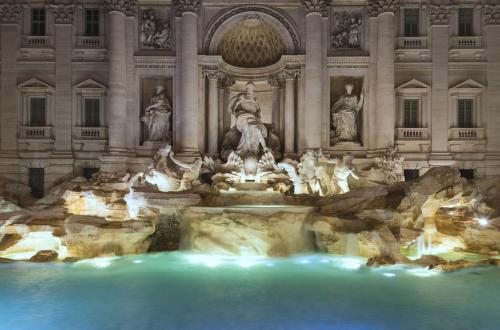
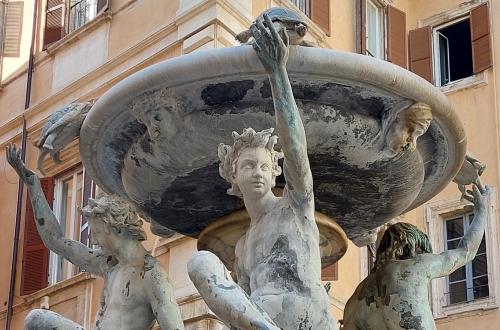
La plus célèbre des fontaines romaines: un joyau d'eau et de pierre
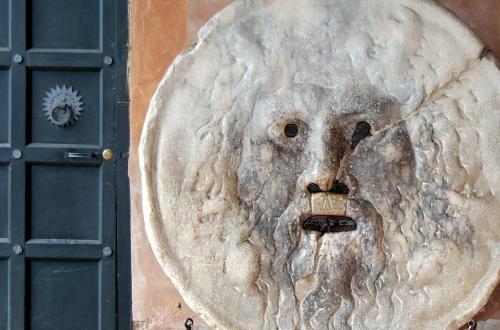
Selon la légende, l'histoire de Rome commence ici

An unmissable opportunity to plan your own future in the field of Fashion
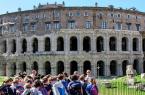
Roma è una meta perfetta per il turismo e in particolare per il settore di visite e viaggi scolastici
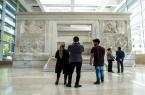
The inestimable artistic heritage of Rome is the preferred destination for the many students who decide to benefit from the many cultural opportunities that the city offers
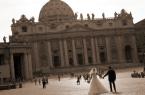
Rome is the perfect choice for a romantic and refined wedding, enriched by a millenary history

Tradition, sartorial mastery, and innovative technologies in a unique setting
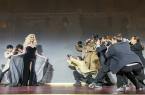
Glamour, myth and beauty: a city where even fashion is a legend
Beauty and art, magnificent spectators of a thousand-year history
The endless opportunities for fun in Rome
Rome is the ideal destination for Tourism Business

Presentati al Convention Center La Nuvola i risultati di FUTOUROMA
Come e dove vivere in diretta le emozioni degli eventi sportivi

Come e dove allenare corpo e mente nella seconda capitale più verde d'Europa
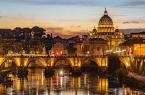
Storia, curiosità e info utili per vivere appieno la magia della Città Eterna
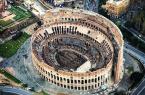

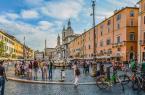
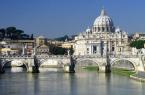
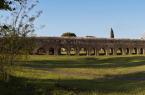
Seven unusual itineraries to discover the city from new perspectives

Stories, places, and secrets – a guidebook to an eternal city.

A puzzle of voices and experiences: bloggers explain Rome
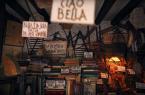
Il romanzo collettivo che dà voce alle storie di persone e luoghi di una Roma inedita
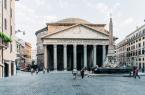
Richesse, splendeur et magnificence immergées dans la magie de l’histoire
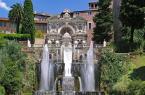
Découvrez la charmante Tivoli et ses merveilleuses villas




Un itinerario tra architetture millenarie e ardite visioni contemporanee
Rome, la scénographie idéale de chefs-d’œuvre du cinéma et de grandes mélodies
Un voyage dans les musées de la Piazza Navona et ses environs

Un itinéraire pour ceux qui veulent, en peu de temps, connaître les incontournables attractions de Rome

Trois jours intenses pour découvrir les attractions incontournables de Rome
A perfect five day itinerary for an unforgettable Roman holiday

Indoor & outdoor activities and attractions

À la découverte de précieuses collections de la préhistoire à l’art contemporain

La cuisine de Rome : saveurs intenses et authentiques et une forte identité

L'âme marine de Rome
Saveurs et traditions anciennes dans un lieu où le temps semble s’être arrêté
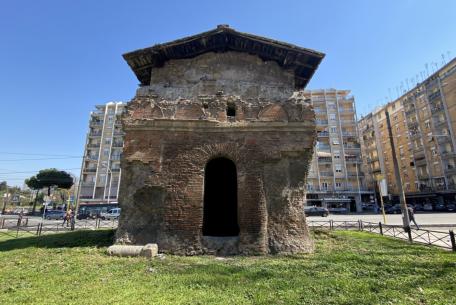
Réalisé entre le IIe et le IIIe siècle après JC, le Sépulcre du Largo Preneste est une construction funéraire en opus latericium, comparable à ces monuments à caractère fu
[...]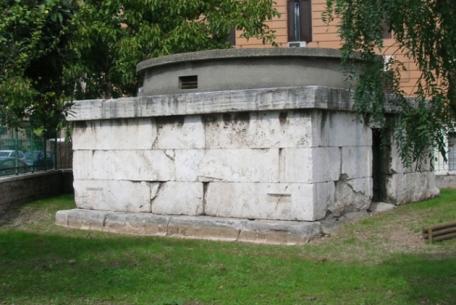
Rinvenuto nel 1935 in viale S. Lorenzo - via dei Sardi, nel percorso della Via Collatina antica, il monumento funerario venne poi ricostruito presso Largo E.
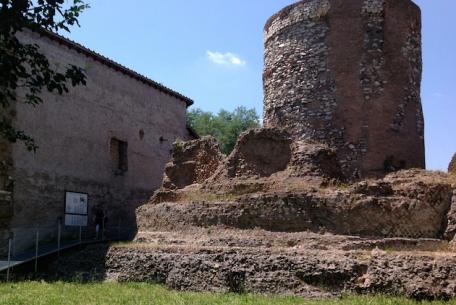
The building stands in front of the Domine quo vadis church, at the crossroads between the ancient Appian Way and the Ardeatina Way and is partly hidden between two farmho
[...]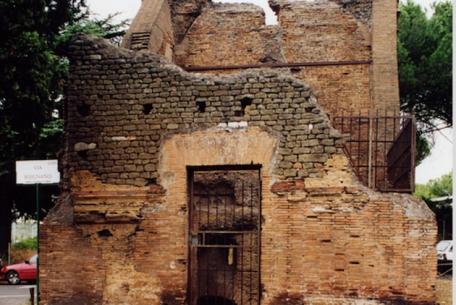
The Sepulcher located on the via Appia Nuova, along the route of the road to Castrimoenium, dates back to the second half of the second century. A.D.

The remains of the tomb can be found today in the Tor Pignattara area, between via Casilina and the Tuscolano district and consist of large square blocks of gabina
[...]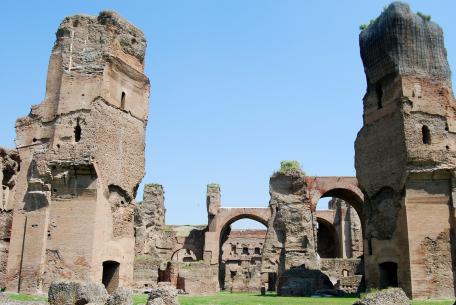
Essentielles pour le fonctionnnement du complexe, les souterraines des Thermes de Caracalla étaient peuplées par des centaines d'esclaves et d'ouvriers qualifiés qui actionnaient l'ingénieuse machi
[...]
The area, which occupies the eastern side of the imperial palace built on the Palatine Hill, constituted
[...]
Located between the Nomentano, Pietralata, and Tiburtino districts, the Roma Tiburtina railway station, initially called Portonaccio, was inaugurated at the end of the 19th century
[...]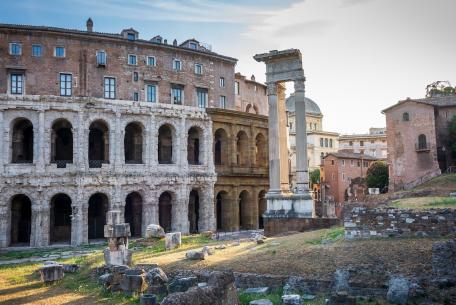
Le Théâtre de Marcellus (Teatro di Marcello) fut érigé dans le Campo Marzio (Champ de Mars), dans la zone que la tradition avait consacrée aux représentations scéniques.
[...]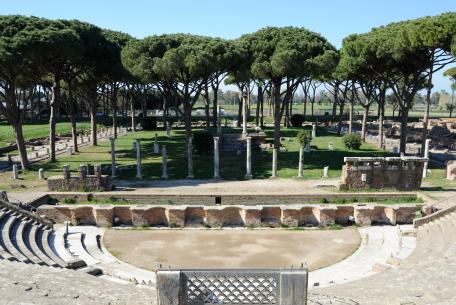
Le théâtre d’Ostie antique se trouve à l’intérieur du site archéologique. Il fut construit pendant le règne d’Auguste, à la fin du Ier siècle av. J.-C.
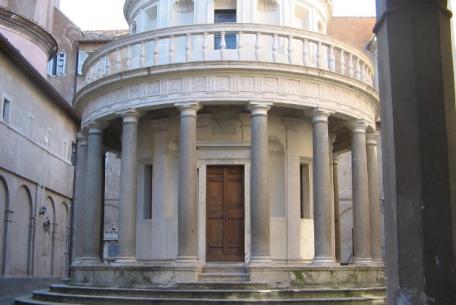
Sur la colline du Janicule, à l’intérieur du complexe de San Pietro in Montorio, se trouve ce petit joyau architectural, qui fa
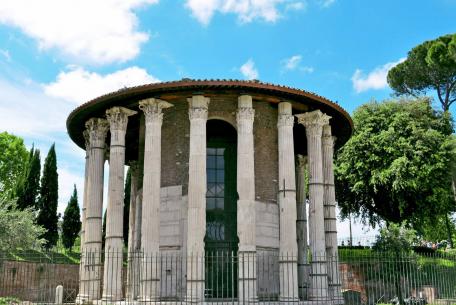
[...]

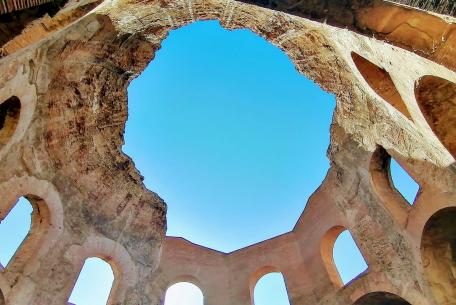
The so-called Temple of Minerva Medica is located in the Esquilino district, in Via Giolitti, next to the Rome-Pantano urban railway line.
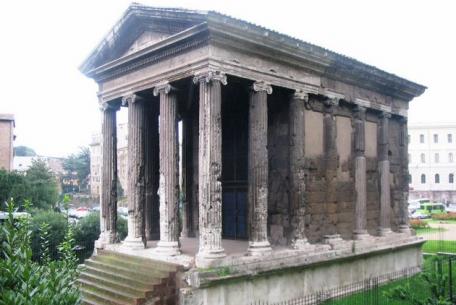
Le temple de Portunus est un des monuments les mieux conservés de l’antiquité.
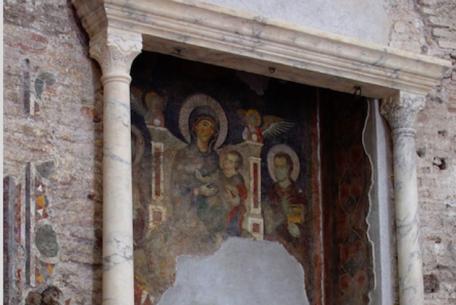
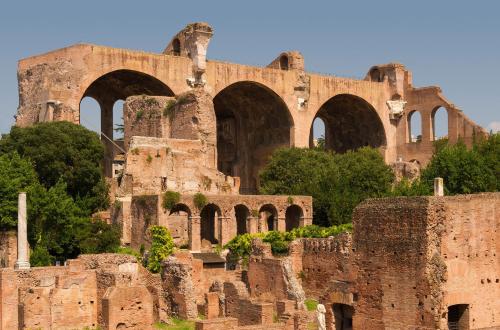
The so-called Temple of Romulus stands in the archaeological area of the Roman Forum,
[...]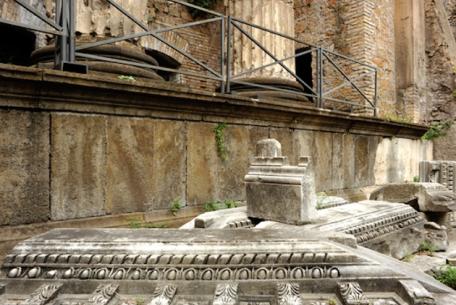
The remains of the temple, consisting of part of the podium and two columns with Corinthian capitals, came to light in 1938 during the demolitions for the enlargement of via delle Botteghe Oscure,
[...]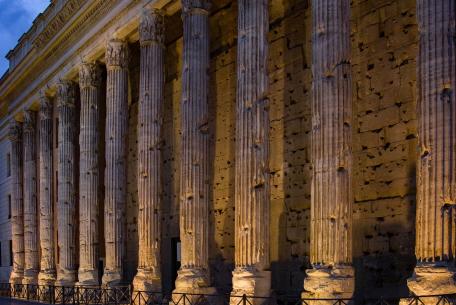
La construction de l'édifice a probablement été voulue par l'empereur Hadrien qui voulait le dédier à son épouse Vibia Sabina, morte et déifiée en 136.
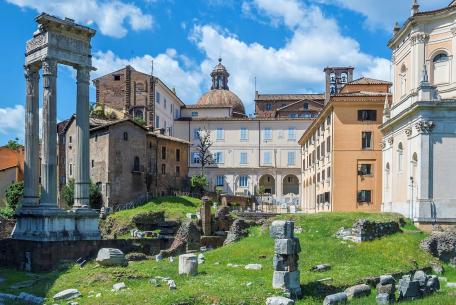
À la droite du Portique d’Octavie, dans le quartier juif, on trouve les restes d’un temple dédié au dieu Apollon, bâti entre 433 et 431 a.C.
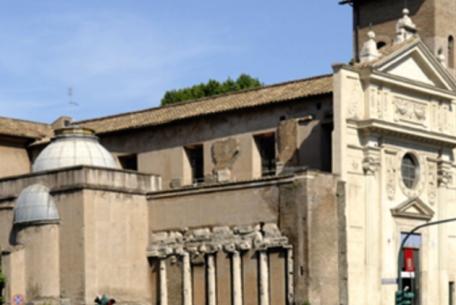
The remains of the three temples stand in the Sant'Angelo district, near
[...]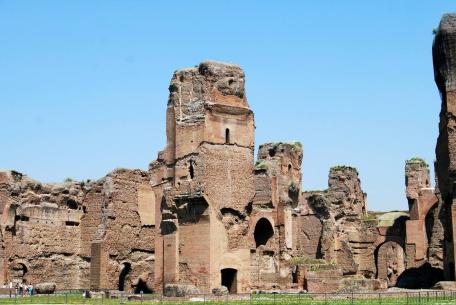
Les Thermae Antonianae, l'un des complexes thermaux les plus grands et les mieux conservés de l'Antiquité, ont été bâtis à la demande de l'empereur Caracalla
[...]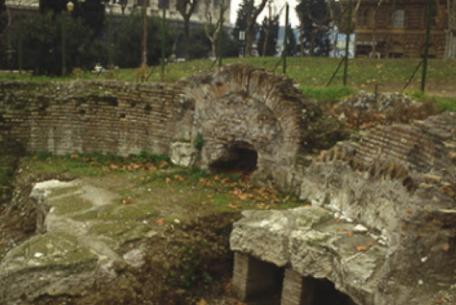
The baths built by Titus and dedicated in 80 AD are one of the oldest examples of Roman baths of “imperial” age and type.
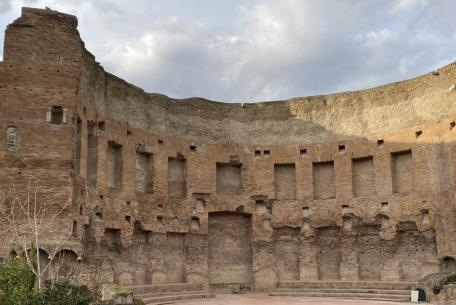
The Thermae Traiani or Thermae Traianae rise on the top of Colle Oppio, in the third Augustan region and were built, as we know from ancient literary sources, on
[...]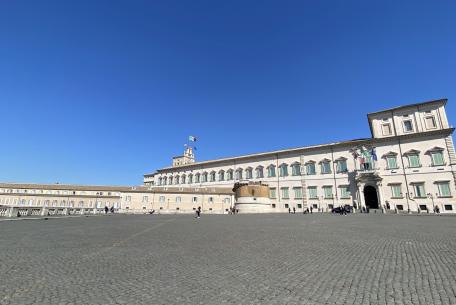
En haut des escaliers qui montent de la Via della Dataria, il y a la charmante terrasse du Quirinale, l'un des points de vue privilégiés de la ville, située à quelques pas des ruelles pittoresques
[...]
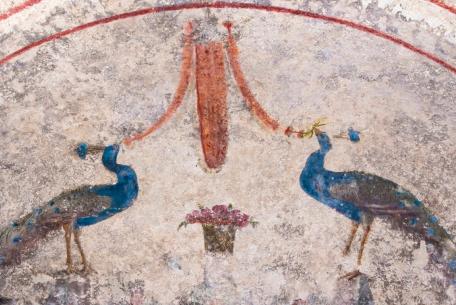
The Tombs of Fadilla and of the Nasonii rise along the Via Flaminia, between Corso Francia and Saxa Rubra.
 Condividi
 Condividi
 Condividi
 Condividi
 Condividi
 Condividi