Anfiteatro Flavio (El Coliseo)
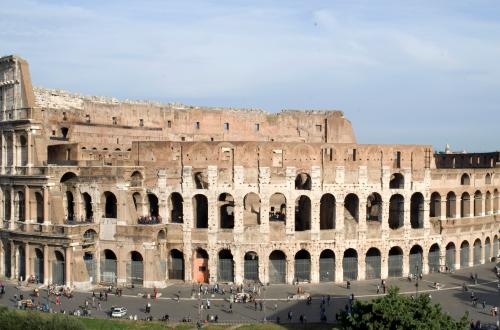
Anfiteatro Flavio (El Coliseo)
Monumentos
 Condividi




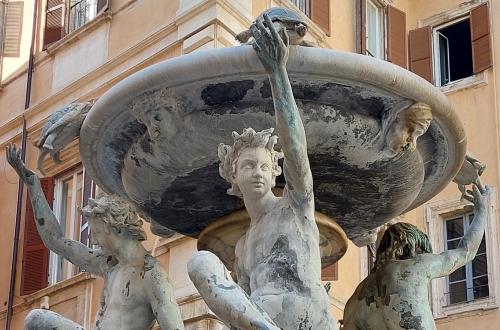
La más famosa de las fuentes romanas: una joya de agua y piedra
Según la leyenda, la historia de Roma comienza aquí

An unmissable opportunity to plan your own future in the field of Fashion
Rome is a perfect destination for tourism and in particular for school trips
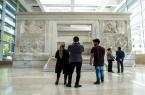
The inestimable artistic heritage of Rome is the preferred destination for the many students who decide to benefit from the many cultural opportunities that the city offers
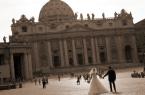
Rome is the perfect choice for a romantic and refined wedding, enriched by a millenary history

Tradition, sartorial mastery, and innovative technologies in a unique setting
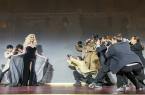
Glamour, myth and beauty: a city where even fashion is a legend
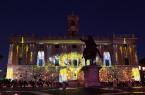
Beauty and art, magnificent spectators of a thousand-year history
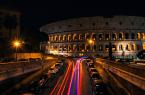
The endless opportunities for fun in Rome

Rome is the ideal destination for Tourism Business

Presentati al Convention Center La Nuvola i risultati di FUTOUROMA
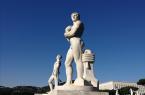
How and where to see live sporting events

Come e dove allenare corpo e mente nella seconda capitale più verde d'Europa
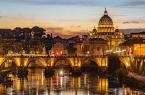
History, fascinating facts, and useful information to fully experience the magic of the Eternal City
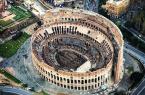

Seven unusual itineraries to discover the city from new perspectives

Stories, places, and secrets – a guidebook to an eternal city.

A puzzle of voices and experiences: bloggers explain Rome
Il romanzo collettivo che dà voce alle storie di persone e luoghi di una Roma inedita
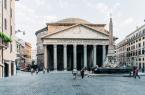
Riqueza, esplendor y magnificencia inmersos en la magia de la historia
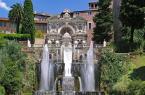
Descubre Tivoli y sus maravillosas villas


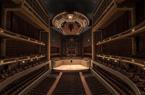


An itinerary between millenary architectures and daring contemporary visions
Roma, la escenografía ideal de obras maestras del cine y de grandes melodías
Un viaje dentro de los museos de Piazza Navona y sus alrededores

Un itinerario para conocer las atracciones imperdibles de Roma en poco tiempo

Tres días intensos para disfrutar las attracciones imperdibles de Roma
A perfect five day itinerary for an unforgettable Roman holiday

Indoor & outdoor activities and attractions

Descubre valiosas colecciones desde la prehistoria hasta el arte contemporáneo

La cocina de Roma: sabores intensos y genuinos y una fuerte identidad

El alma marinera de Roma
Sabores y tradiciones milenarias en un lugar donde el tiempo parece haberse detenido
A funeral area located along the Via Ostiense.
Originally part of the catacomb of St. Sebastian, now independent from the rest. It developed in the fourth century in connection with, the cult of St. Eutichio.
Located in the underground area of Giovannipoli Park, the Catacombs of Commodilla, a Christian matron, contain, among other things, the crypt with the tombs of the martyrs Felix and Adautto, some B
[...]The Ponziano Catacombs are probably named after the owner of the land. The Cemetery had its greatest development in the 4th century.
The catacombs perhaps take their name from the local landowner of the time and were known as far back as the 16th century, although excavated between 1847 and 1872.
On the site stands the church of St Theresa of the Child Jesus in Panfilo, built between 1929 and 1932.
The origins of the excavation of the catacombs date back to 1918 with the development of the area.
Il percorso sotterraneo più vasto di Roma, oltre 1,5 km di gallerie labirintiche sotto un parco tra i meravigliosi ed affascinanti al centro di Roma, il parco dell'Appia antica.
Enormi gallerie per l'estrazione di tufo che si aprono inaspettatamente sotto un tempio romano, dei laghetti cristallini e una serie di pozzi: un'incredibile esperienza nel cuore
[...]When, in the 13th century, the friars of the Order of Preachers, commonly called Dominican friars, settled in the Basilica of Santa Maria sopra Minerva, they not only enlarged the church, but also
[...]Rome War Cemetery lies alongside and within the Aurelian Walls of the ancient city of Rome.It was designed by Louis de Soissons and contains 426 Commonwealth burials of the Second World War.
The Laurentino Cemetery, which was dedicated on 9 March 2002, is the third largest cemetery in Rome.
In the heart of the Monte Mario Nature Reserve, accessible from Via della Camilluccia, lies the French Military Cemetery, destined to contain the bodies of French soldiers killed during the Italian
[...]The Laurentino Cemetery, which was dedicated on 9 March 2002, is the third largest cemetery in Rome.
The area around the Church of Santa Croce in Gerusalemme is rich in archaeological ruins referable to a single complex, Palazzo del Sessorio, an imperial villa of the Severan age (3rd century AD).<
[...]The complex is located on the Monte Mario hill.
The City Garden Aniene, today forming part of the Montesacro district, is located in the north-east of Rome, on a hill along the Via Nomentana, near the confluence of the River Aniene and the Tiber
[...]The largest of the still-functioning Roman drains, the Cloaca Maxima was the source of a water-drainage channel that ran from the Roman Forum towards the "vicus Tuscus" The drain emptied into the T
[...]The complex is one of the most secret and refined places in Baroque Rome.
Il Presidio Nuovo Regina Margherita affaccia su Piazza San Cosimato, a pochi passi da Viale Trastevere.
At present deconsacrated and belonging to the City Hall, the church is located on the actual Via Valle delle Camene.
Founded by Francis of Paola (1416-1507) in 1494 with funding from the crown of France, the "royal convent of the Trinity of the Mounts" experienced a splendid period between the 16th and 17th centu
[...]An archaeological site very important for ancient Rome that comprises the area between the temple of Apollo and the temple of Bellona.
The theatre was built by L. Cornelius Balbus the Younger in the year 13 AD, behind the Portico d’Ottavia in the heart of the current Jewish quarter.
In 630 Onorio I ordered the transformation of the "Curia Iulia" into a church, nonetheless maintaining its original role of aula for the Senate’s meetings.
Condividi
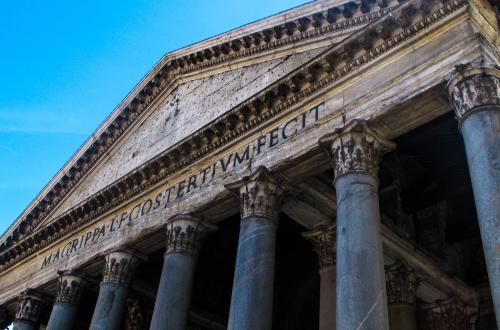 Condividi
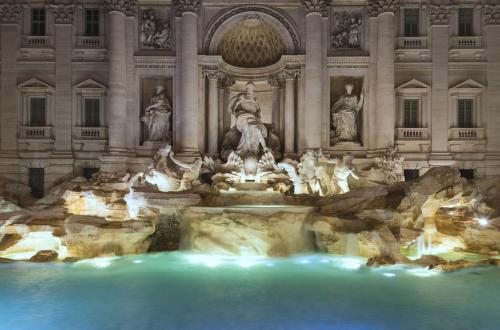 Condividi
 Condividi
 Condividi
 Condividi
 Condividi