Anfiteatro Flavio (El Coliseo)
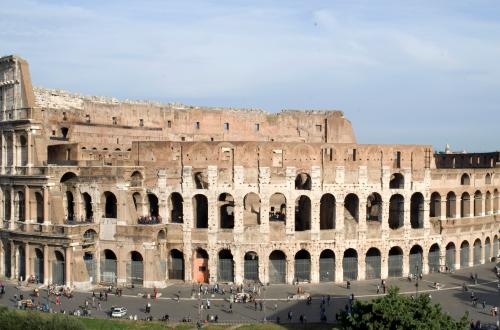
Anfiteatro Flavio (El Coliseo)
Monumentos
 Condividi




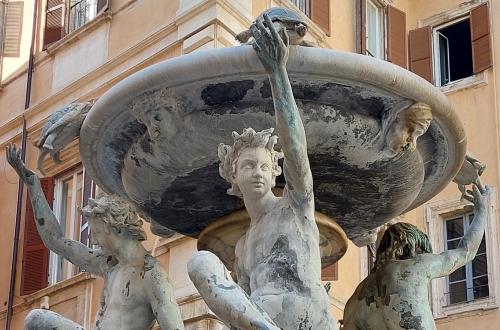
La más famosa de las fuentes romanas: una joya de agua y piedra
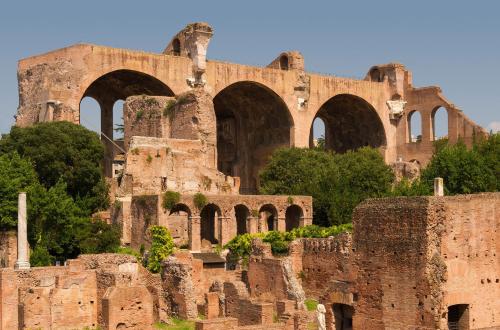
Según la leyenda, la historia de Roma comienza aquí

An unmissable opportunity to plan your own future in the field of Fashion
Rome is a perfect destination for tourism and in particular for school trips
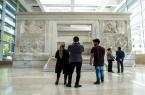
The inestimable artistic heritage of Rome is the preferred destination for the many students who decide to benefit from the many cultural opportunities that the city offers
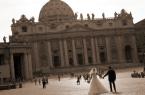
Rome is the perfect choice for a romantic and refined wedding, enriched by a millenary history

Tradition, sartorial mastery, and innovative technologies in a unique setting
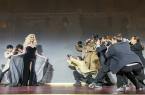
Glamour, myth and beauty: a city where even fashion is a legend
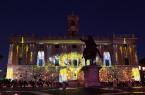
Beauty and art, magnificent spectators of a thousand-year history
The endless opportunities for fun in Rome
Rome is the ideal destination for Tourism Business

Presentati al Convention Center La Nuvola i risultati di FUTOUROMA
How and where to see live sporting events

Come e dove allenare corpo e mente nella seconda capitale più verde d'Europa
History, fascinating facts, and useful information to fully experience the magic of the Eternal City
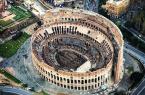
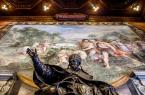
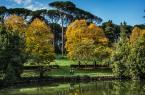
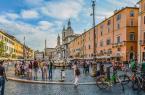
Seven unusual itineraries to discover the city from new perspectives
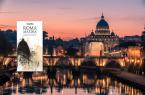
Stories, places, and secrets – a guidebook to an eternal city.

A puzzle of voices and experiences: bloggers explain Rome
Il romanzo collettivo che dà voce alle storie di persone e luoghi di una Roma inedita
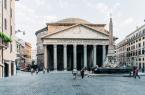
Riqueza, esplendor y magnificencia inmersos en la magia de la historia
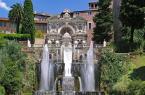
Descubre Tivoli y sus maravillosas villas

An itinerary between millenary architectures and daring contemporary visions
Roma, la escenografía ideal de obras maestras del cine y de grandes melodías
Un viaje dentro de los museos de Piazza Navona y sus alrededores

Un itinerario para conocer las atracciones imperdibles de Roma en poco tiempo

Tres días intensos para disfrutar las attracciones imperdibles de Roma
A perfect five day itinerary for an unforgettable Roman holiday

Indoor & outdoor activities and attractions

Descubre valiosas colecciones desde la prehistoria hasta el arte contemporáneo
La cocina de Roma: sabores intensos y genuinos y una fuerte identidad
El alma marinera de Roma
Sabores y tradiciones milenarias en un lugar donde el tiempo parece haberse detenido
The Ministry of Business and Made in Italy deals with industrial policy, trade and communications.
Edificio privato
During excavations carried out between 1973 and 1975, an edifice dedicated to the Persian deity Mithras was found under the Church of Santo Stefano Rotondo.
Ideato in occasione del 50° anniversario della morte del segretario del Partito Socialista, esso venne collocato in prossimità del luogo ove Matteotti fu sequestrato da una banda di squadristi fasc
[...]La statua equestre in bronzo dell’eroe nazionale albanese Giorgio Castriota Scanderbeg (1403-1468) è collocata al di sopra di un piedistallo a pianta semiovale, a sua volta posto sopra un basamento
[...]Il monumento dedicato a papa Giovanni Paolo II (Karol Jòzef Wojtyla, Wadowice, 18 maggio 1920 - Città del Vaticano, 2 aprile 2005) è stato commissionato allo scultore abruzzese Oliviero Rai
[...]L’esecuzione del monumento celebrativo dedicato a Marco Minghetti (Bologna 1818 - Roma 1886), più volte Primo Ministro dell’Italia unificata, venne deliberata dal Parlamento subito dopo la morte de
[...]L’opera è composta da un alto basamento in granito, poggiante su due gradini e digradante verso l’alto, diviso in quattro registri da cornici marcapiano.
Collocato in origine all’interno dei giardini di viale Tiziano, il monumento fu poi trasferito per restauri alla Fortezzuola di Villa Borghese, casa-studio di Canonica, dove rimase fino alla sua mo
[...]La statua bronzea raffigura la severa figura di Alfredo Oriani (Faenza 1852 – Casola Valsenio 1909), letterato e storiografo attivo dagli anni Settanta dell’Ottocento fino al 1909, autore di una va
[...]Il monumento ai Caduti della Montagnola, posizionato il 24 marzo 1966, commemora un evento della Resistenza romana, la battaglia del 10 settembre 1943, in cui persero la vita più di cinquanta perso
[...]Il 16 marzo 1978 le Brigate Rosse rapirono lo statista democristiano Aldo Moro in Via Mario Fani e ne uccisero la scorta.
L’Ambasciata di Francia in Italia e Mirabilia Art Wonders, la società che cura l’organizzazione delle visite guidate a Palazzo Farnese, presentano
[...]Santa Francesca Romana complex, a 19th-century hospital built by Busiri Vici.
Discovered in 2003 during the excavations for the construction of Santa Rosa parking lot, inside the Vatican City, the Via Trimphalis necropolis is the continuation of the “Autoparco”, dug up in th
[...]The area of Villa Doria Pamphilj has numerous sepulchral buildings originally displayed along the ancient via Aurelia, maybe due to the neighbouring and popular district of Trastevere.
It dates back to the third century AD.
In 1936, during the redevelopment of Trajan's Park on the Opium Hill, an underground building was found about 6-8 metres below street level, which can be accessed today from the small pavilion on t
[...]The entrance at the monument can be obtained from inside the archives of the Vicariato or from a drain along the road, in fact the nymphaeum is 7.50 metres below the road surface, halfway between t
[...]This obelisk and its twin, now in the Boboli Gardens in Florence, have a similar history to the twin obelisks in Piazza della Rotonda and Villa Celimontana.
A twin of the one in Piazza della Rotonda, it is the only one in Rome not to be located in a public square.
The creation of this obelisk came about following the offer, in 1927, by a commission of industrialists on behalf of the people of Carrara of a gigantic marble monolith to be dedicated to Mussolini
[...]The building is located along Via Porta San Sebastiano inside a private property, the Pallavicini vineyard, and was discovered by Mariano Armellini in the second half of the 19th century.
The oratory wells up within the Forum in the corner comprised between Vesta’s temple and the Dioscuri’s temple in the area defined Lacus Iuturnae (C.IIBC).
The sundial of emperor Augustus consisted of a large travertine-paved trapezoid-shaped square on whose surface hours, seasons, months, and signs of the zodiac were indicated with bronze gilded lett
[...]The small building, linked to the big building of the family by a medieval arch, dates back to the middle of the 16th century and was built by architect Martino Longhi the old.
The building is known as the house of Sixtus V because it was inhabited by the pope's great-granddaughter, Flavia Peretti, wife of Virginio Orsini, Duke of Bracciano, who had the palace embellished
[...]The building was constructed in the early 16th century for Tizio di Spoleto, chamber master to Cardinal Alessandro Farnese, the future Pope Paul III.
The building, constructed between 1929 and 1931 at the request of Italo Balbo and designed by Roberto Marino, represents the values of the regime's architecture from the outside.
Condividi
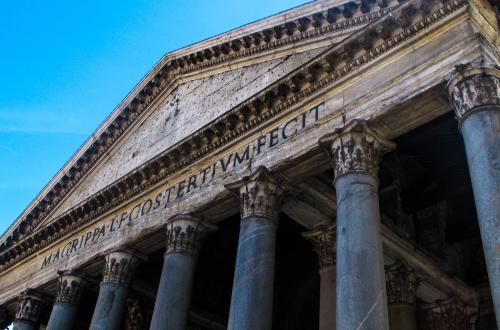 Condividi
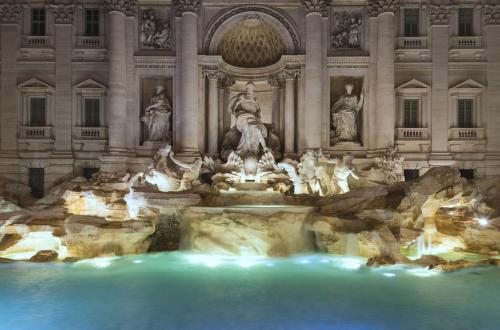 Condividi
 Condividi
 Condividi
 Condividi
 Condividi