Anfiteatro Flavio (El Coliseo)
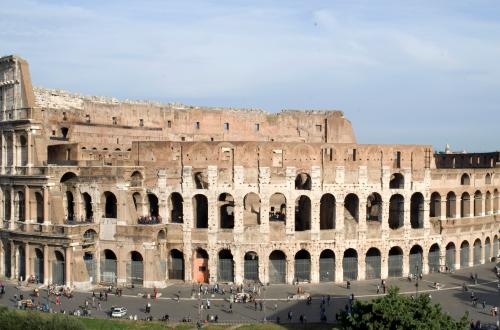
Anfiteatro Flavio (El Coliseo)
Monumentos
 Condividi




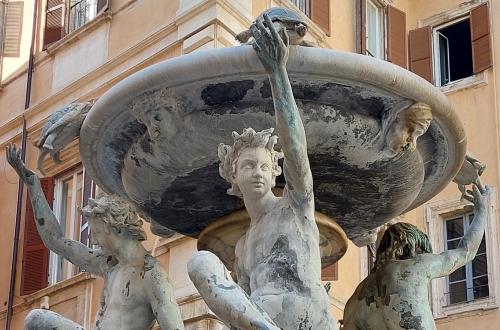
La más famosa de las fuentes romanas: una joya de agua y piedra
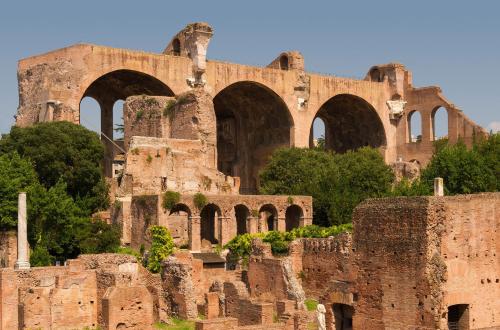
Según la leyenda, la historia de Roma comienza aquí

An unmissable opportunity to plan your own future in the field of Fashion
Rome is a perfect destination for tourism and in particular for school trips
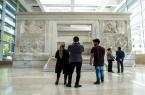
The inestimable artistic heritage of Rome is the preferred destination for the many students who decide to benefit from the many cultural opportunities that the city offers
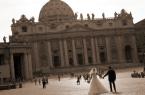
Rome is the perfect choice for a romantic and refined wedding, enriched by a millenary history

Tradition, sartorial mastery, and innovative technologies in a unique setting
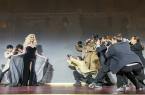
Glamour, myth and beauty: a city where even fashion is a legend
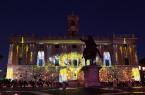
Beauty and art, magnificent spectators of a thousand-year history
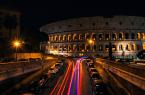
The endless opportunities for fun in Rome
Rome is the ideal destination for Tourism Business

Presentati al Convention Center La Nuvola i risultati di FUTOUROMA

How and where to see live sporting events

Come e dove allenare corpo e mente nella seconda capitale più verde d'Europa
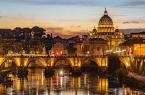
History, fascinating facts, and useful information to fully experience the magic of the Eternal City
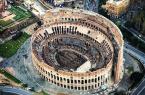

Seven unusual itineraries to discover the city from new perspectives

Stories, places, and secrets – a guidebook to an eternal city.

A puzzle of voices and experiences: bloggers explain Rome
Il romanzo collettivo che dà voce alle storie di persone e luoghi di una Roma inedita
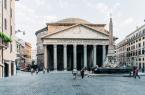
Riqueza, esplendor y magnificencia inmersos en la magia de la historia
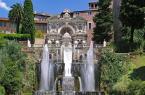
Descubre Tivoli y sus maravillosas villas


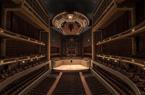


An itinerary between millenary architectures and daring contemporary visions
Roma, la escenografía ideal de obras maestras del cine y de grandes melodías
Un viaje dentro de los museos de Piazza Navona y sus alrededores

Un itinerario para conocer las atracciones imperdibles de Roma en poco tiempo

Tres días intensos para disfrutar las attracciones imperdibles de Roma
A perfect five day itinerary for an unforgettable Roman holiday

Indoor & outdoor activities and attractions

Descubre valiosas colecciones desde la prehistoria hasta el arte contemporáneo

La cocina de Roma: sabores intensos y genuinos y una fuerte identidad

El alma marinera de Roma
Sabores y tradiciones milenarias en un lugar donde el tiempo parece haberse detenido
The Veschi brickworks is located right in front of the Valle Aurelia metro station and is one of the 18 brick factories that, since ancient times, using the clay extracted from the quarries of the
[...]Second in order of time and inaugurated in 2 BC, the Foro di Augusto was limited on its end side by a huge 33 metre wall made from peperino blocks and gabina stone, dividing it from the popular Sub
[...]The Forum Olitorium was the zone reserved to the vegetable and legume market.
Il Forte Antenne è uno dei 15 forti di Roma, edificati nel periodo compreso fra gli anni 1877 e 1891.
Forte Braschi is one of 15 forts in Rome, built between 1877 and 1891 to form the 'Campo trincerato di Roma' (Rome's entrenched camp). It is located in the district Q.
Forte Portuense was built along the street of the same name, to control and defend the area to the south on the right of the Tiber.
The military complex was built between 1882 and 1888 to defend the Via Trionfale and the Valle dell'Inferno.
A metro ride and we have arrived at Garbatella, the youngest of the historic districts, built in the Twenties and made famous by Director and Actor Nanni Moretti’s driving his moped through its str
[...]A walk along the Janiculum enables us to enjoy a series of wonderful views.
Completato l’intervento di restauro e valorizzazione dell’Esedra dei Draghi e della fontana del Giardino delle Erme e la riqualificazione del verde del Giardino, c
[...]In the 17th century the area was the garden of the Casino Belvedere of the powerful noblewoman Olimpia Maildailchini-Pamphilij, sister-in-law of Pope Innocent X.
The Horti Sallustiani owe their name to the fact that they belonged to the historian Sallust.
Figure of a man pouring water from a barrel, formerly at Palazzo De Carolis is now in Via Lata.
Extraordinary archaeological discovery on the Palatine Hill in Rome.
The hypogeum was discovered in 1911 and opened in 1976.
The hypogeum was discovered in 1955 during building construction work. It was meant for only a few households and was built in four distinct phases between approximately 320 and 360 AD.
In 1883, during the road system development works in the Esquilino district, at number 128 of Via G. Lanza, behind the church of S.
Underground cemetery, located inside the 17th-century Villa Casali, on the left side of the Via Appia Antica.
The hypogeum located on the hillside of Villa Glori (Viale Pilsudski) and entirely excavated in the tuff.
L'Istituto Romano di San Michele è la più grande Azienda Pubblica di Servizi alla Persona (ASP) di Roma, per rilevanza patrimoniale e attività di assistenza svolta.
Si tratta di una lastra rettangolare collocata sul prospetto di un edificio storico che attualmente ospita gli Uffici della Camera dei Deputati, fra una finestra del primo piano e l'arco ribassato
[...]Urbanista, paesaggista e docente di architettura, Raffaele de Vico ha contribuito a definire l’attuale aspetto di molte aree verdi della città di Roma, sia pubbliche che parchi archeologici, con un
[...]When part of the supporting wall of the square opposite St. Pietro in Montorio collapsed in October of 1963, the ruins of an antique Roman latrine were exposed.
Since ancient times Rome was known as Regina Aquarum, the queen of the waters, and the fountains, in addition to being places of fun and embellishment, represented
[...]Il complesso architettonico, costituito dalla Grotta e dalla Loggia dei Vini, venne realizzato nell’arco di circa un decennio a partire dal 1609, contestualmente ai lavori di edificazione del Ca
[...]On the top of the Saxa Rubra cliff, along the Via Flaminia, emerges a mausoleum with an upper earthen tumulus (called the Celsa tomb) scenically connected to an exedra and a cistern, perhaps to cre
[...]Extraordinarily well preserved inside, it is built in opus quadratum of travertine blocks, with a cement core of flint flakes, lime and pozzolana and probably dates back to the 2nd century BC.
The building that houses the Ministry of Foreign Affairs and International Cooperation owes its name of Farnesina to the ancient and pre-existing properties of the Farnese
[...]
Condividi
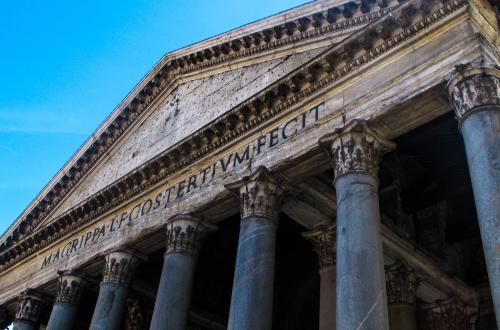 Condividi
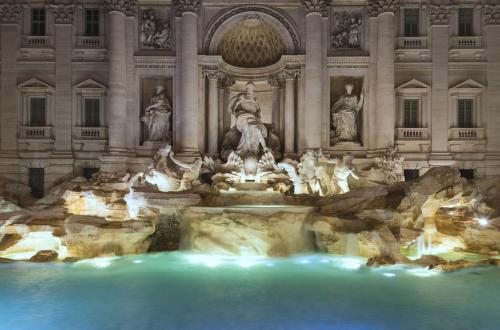 Condividi
 Condividi
 Condividi
 Condividi
 Condividi